
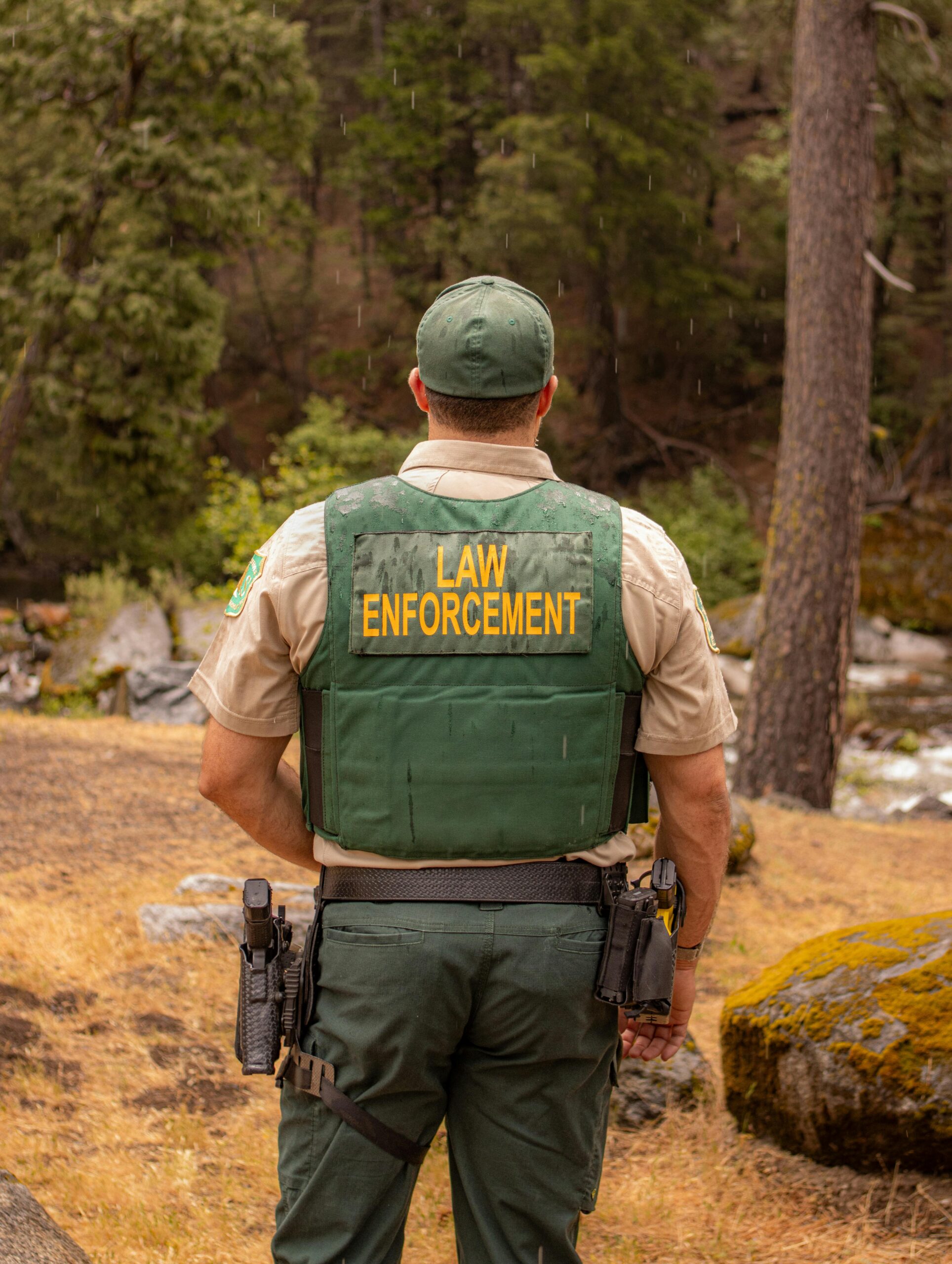
In using immigration to target Farm and food chain workers, as well as other essential industries like carework, cleaning, and food chains, our federal government is committing us to a food system in danger.
A food system where Farmworkers, meat packers, and other food chain workers are threatened with violence is not a system that will keep families healthy and fed. It is not a system that the soils and waterways of our planet can sustain, and it is not a system that will support us in surviving climate change. We each have a role to take in moving toward a food system free of exploitation.
The threat of immigration enforcement, which has always been hand in hand with racism, makes all workers vulnerable. This form of abuse from employers, landlords, and law enforcement is used to threaten and remove workers who organize against their exploitation. This is true even in places like Washington State, where laws like the Keep Washington Working Act which prohibits local law enforcement agencies from giving any non public information to Federal Immigration officers for the purpose of civil immigration enforcement , and the recently passed HB 2165 banning mask use by law enforcement offer some kind of protection.
Legal protections are critical, but their enforcement crawls at a snail’s pace and the violence against Farmworkers is growing rapidly and exponentially. Our communities are experiencing attacks on multiple fronts: The physical violence of a militarized immigration police force, but also in efforts to pass dehumanizing federal laws while eroding the local and state capacity to respond. Local governments are slow and reluctant to use limited backstops to take action.
We have seen this most vividly in the detainment of our friend and Farmworker organizer Alfredo ‘Lelo’ Juarez, who was abducted from his car while on the way to work in Mount Vernon in March 2025. As a teenager, Lelo helped organize local Farmworkers to create the independent union Familias Unidas por la Justicia. After four months in Tacoma at the private immigration prison owned by Geo Group, which is notorious for inhumane conditions, he chose to return to Mexico.
In Washington State we are also alarmed to see the exponential growth of the H-2A visa program; which places Farmworkers in a permanent second class. When you are separated from your family, while your housing and other basic needs are tied to your continued employment at aspecific farm, there is little to no room to push back against unsafe working conditions. In the last year/two years, H2-A visas have grown exponentially in Washington State. Nationally, the Farm Workforce Modernization Act would nationalize and expand the use of this pseudo-slavery program. Last October, the Trump administration lowered the national wage paid to H2A workers and changed the rules of the program to make it cheaper and easier for farms to contract workers.
The exploitation of people in our food and agricultural systems has been part of the United States since before our founding., The H2-A visa and ICE’s current state-sanctioned violence is profoundly rooted in the enslavement of Black people and the enforcement of that slavery through patrols.
Our experience here in our local communities is also connected. We can clearly see ICE targeting communities where low-wage immigrant workers live – mobile home parks and farmworker housing complexes. We witness their testing our tolerance, and desensitizing us to unspeakable violence. Community members rightly connect masked agents in unmarked vehicles to this administration’s sowing of terror between neighbors in our own neighborhoods where we sleep, work, and our children go to school.
We know from our years of organizing with Farmworkers and allies that this is not the food system that most people want. We have the power to change our food system to a just one; where people and the planet are equally cared for, and where our essential resources are protected for future generations. It is incumbent upon each of us to push back against exploitative practices like the H2A visa program while at the same time building a food system that holds equal care and protection for workers, the earth, and the families that are sustained by it.
Rosalinda Guillén is a longtime farmworker rights organizer based in Washington State. She is the founder and executive director of Community to Community Development, where she works on immigrant rights, food justice, and labor organizing.