
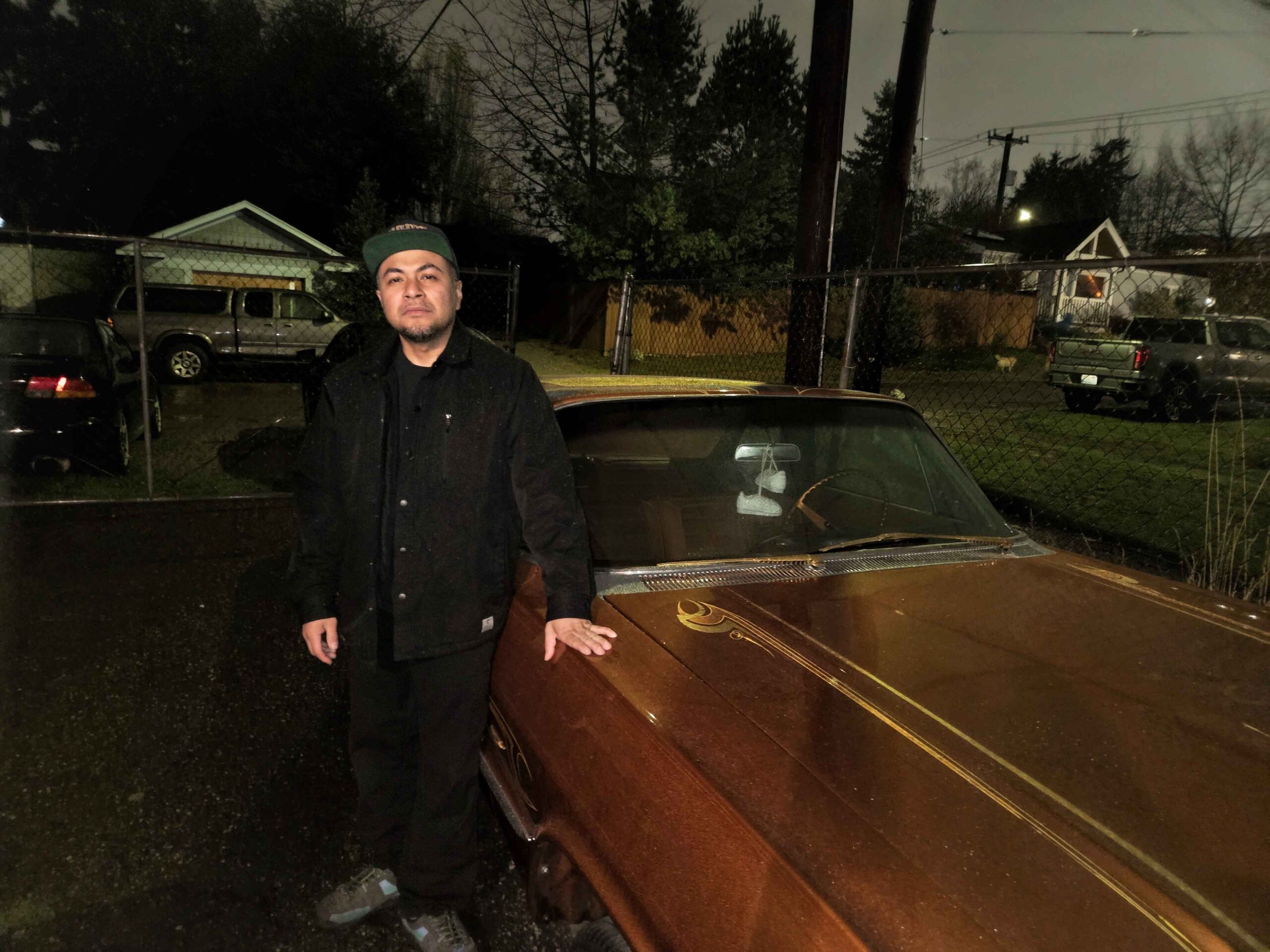
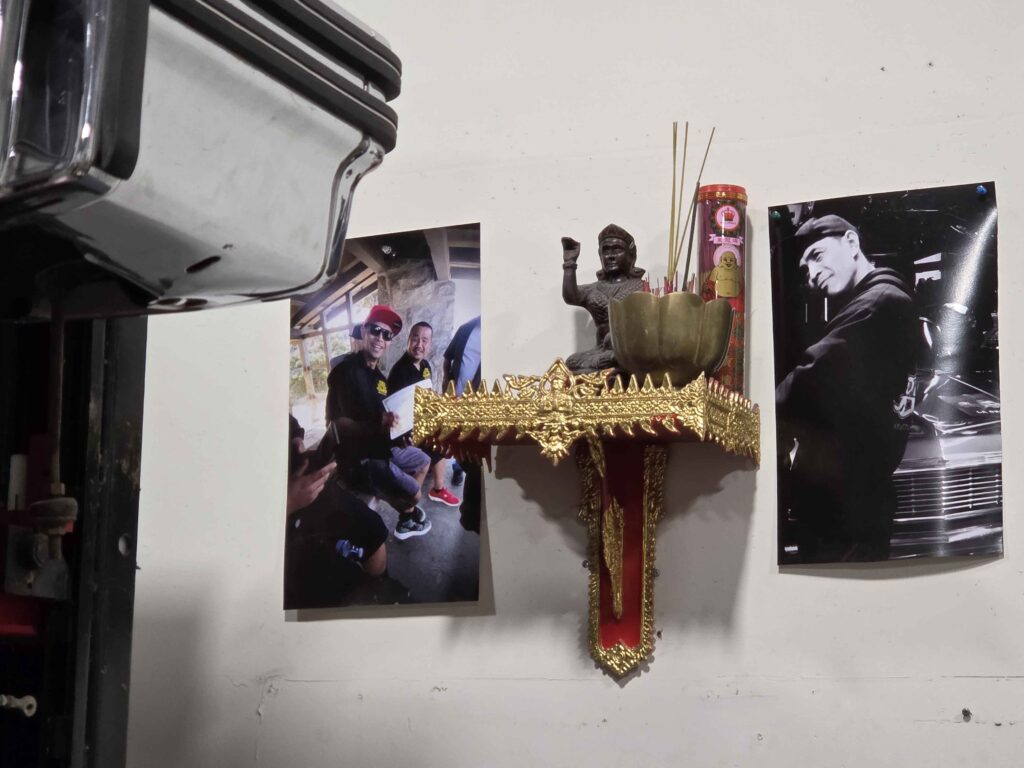
Loud stereo music mixes with the sound of car engines in an out-of-the-way garage in Kent. In the corner of the garage is a small shrine with a statue of Neang Bak, the Khmer spirit for welcoming and good fortune, sitting next to a bowl of incense and two photos of Eazy Duz It club members.
For fifteen years, the Eazy Duz It Lowrider car club has been cultivating its own culture in Washington. Founded initially by Khmer immigrants, the club has since grown into a community of artists and car enthusiasts, each with their own unique identity and culture.
It’s been a long, sometimes difficult, often uncertain process, but one that club founder Keo Sanh says has been more than worth it.
Lowriders and lowrider clubs have a long history in America. While the specific origins are debated, they rose to undeniable popularity in the 1950s as a form of artistic and cultural expression in Chicana/o communities.
Instead of joining a pre-established club, Sanh and the other club founders, also Khmer immigrants, opted to build something from scratch for people who shared their desire to find a cultural and artistic home in America. “We’re immigrants, we don’t have any real blood family,” said Sanh. “So, we had to kind of create our own community. The same goes for this club.”
Sanh’s journey of self-identity, navigating his roots in both Khmer and American culture, has both fueled his artwork and passion for lowriders and guided the way he’s shaped the club. For example, the Eazy Duz It logo, which Sanh designed himself, incorporates a Naga’s tail along the edges, a symbol of major significance in Khmer culture.
Over a decade later, Sanh has realised his vision, growing Eazy Duz It into a space for people from many backgrounds, united by their love of the culture and craft of lowriders. Through building Eazy Duz It, meeting lowrider enthusiasts from all walks of life, racial identities, and cultural backgrounds, Sanh came to a realization:
“I feel like it’s kind of similar to being Chicano, right?” said Sanh, while walking the floors of his garage, late one night in Kent. “You’re Mexican, you’re American, so what are you? I feel like I’m Cambodian, I’m Khmer, but also doing this, I’m as American as I can be, right?”
From his perspective, despite their origins in Chicana/o communities, lowriders have evolved into a connective tissue for people–regardless of race, class or background–earching for the same types of artistic and cultural expression that Chicana/o communities found during the rise of lowriders in the 1940s.
Each person, he said, brings their own experiences and identity into the club, and blends it with a uniquely American car culture. Today, Eazy Duz It is a melting pot: Hispanic, Cambodian, Japanese and white club members gather for car shows, community events and fundraisers.
This experience isn’t unique to Eazy Duz It. In fact, it’s fairly representative of modern lowrider culture as a whole, according to Tone Gutierrez, a 12-year member of another Washington-based Lowrider club, Lowcos. Founded in 1991, Lowcos has a storied history, with four chapters in the Northwest.
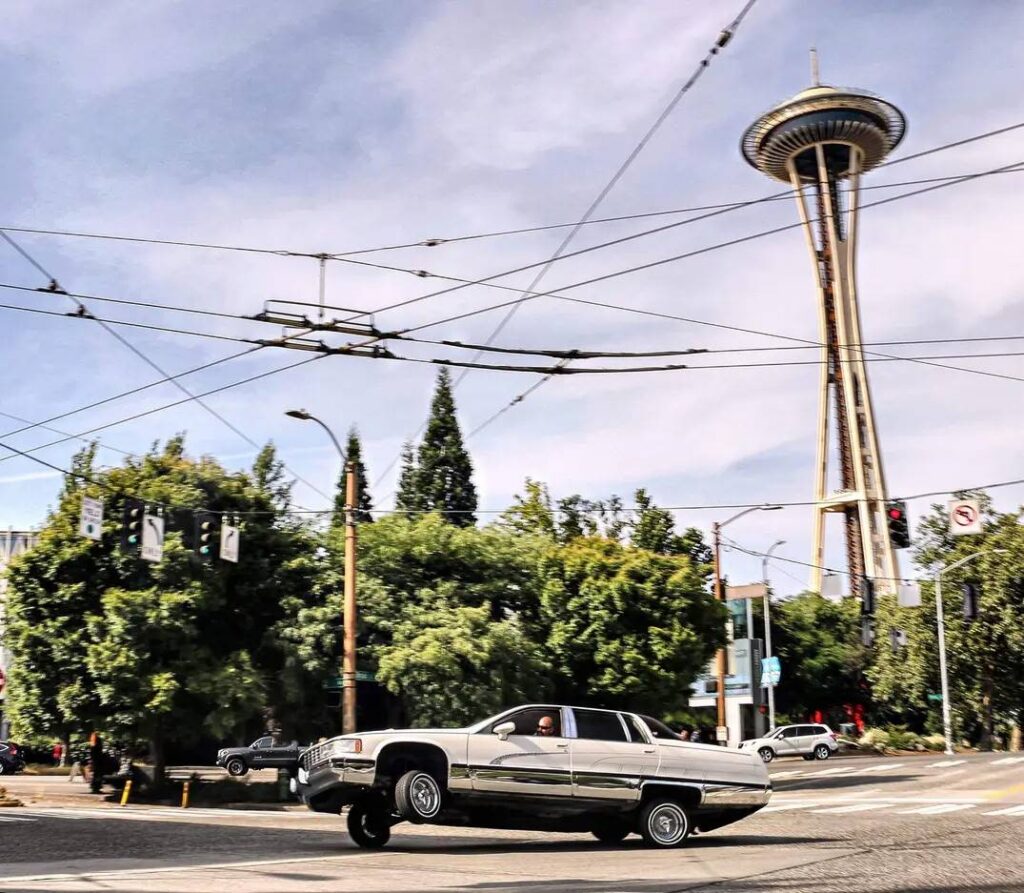
Similar to Sanh, Gutierrez has used lowriders not only as a way to express his own identity, but also as a method of connecting with other cultures.
Born and raised in Washington to a first-generation family who immigrated from Mexico, Gutierrez and his brothers quickly latched onto lowriders after catching a glimpse of a modified Cadillac Fleetwood. Since then, he’s had a hand in hundreds of custom cars, including a current project incorporating Chicano and Aztec history along the body of a car, painted chronologically from front to back, paying respects to his cultural roots.
As the first in his family to enter the lowrider community, Gutierrez and his brothers learned from older community members, and found them eager and willing to teach them. “A lot of the old school lowrider guys will be very willing to answer their phone and walk you through stuff, and knowledge is kind of passed down like that,” he said.
The tradition of acceptance is something Lowcos, and the lowrider community as a whole has carried with it for as long as Gutierrez can remember.
“We don’t just shoo everyone away, right?” he said. “You could see a lowrider on YouTube and then see one cruising down the street. Most times, you can approach that person and ask them questions about the car, and they’re usually going to steer you to a car show or an event.”
Lowrider culture “was Chicano at first because that’s just the roots of it, right?” Gutierrez said. “But Mexicans aren’t the only ones who are first-generation. What’s happened over the years is that lowriding is very much about unity, and it’s about bringing communities together. And so now other people are finding their identity.”
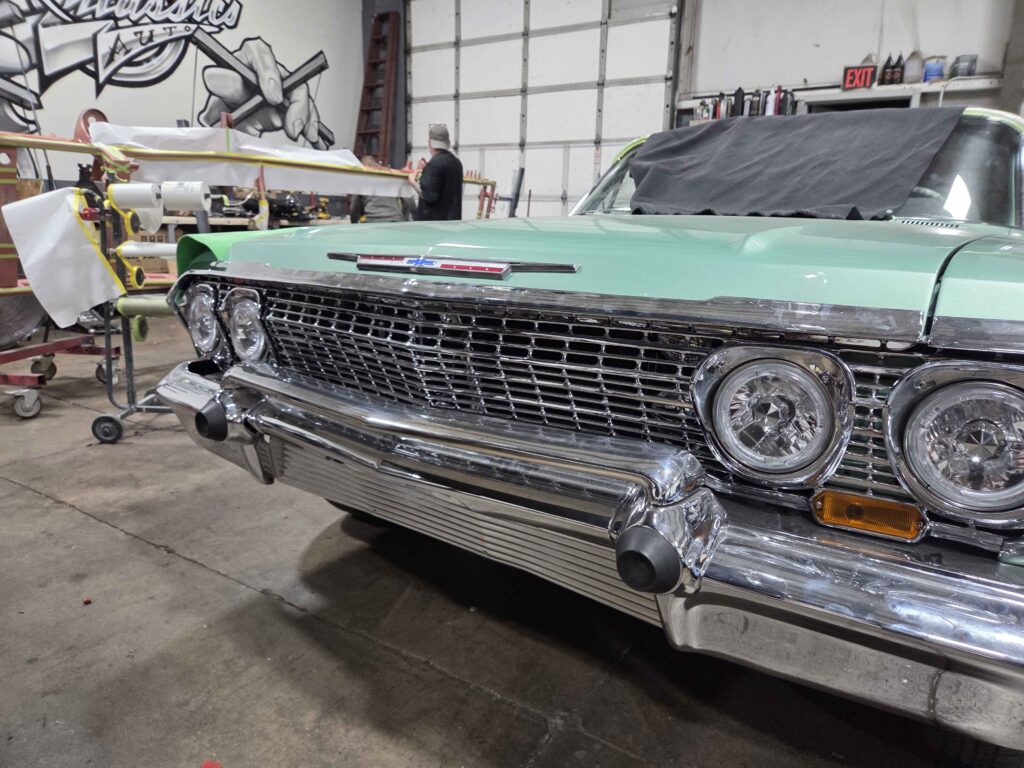
Zach Nasu is one member of Eazy Duz It who’s found a way to express his identity through the club. While he was drawn first to the practice of custom cars, since joining Eazy Duz It, he’s immersed himself in lowrider culture. Nasu is Japanese-American, born and raised in the United States, and grew up in a family still bearing the scars of World War 2, including the internment of Japanese-American citizens.
“I’ve built cars in lots of ways. Back to stock, mild custom, full-blown hot rods. But they all seemed to miss something. Building a lowrider is an extension of who you are, and in every lowrider, you can see the soul of that person,” Nasu said. “It’s a car that’s a platform to express yourself and your culture, and it’s reflected in the end product.”
Nasu’s culture has impacted all of his cars, including his family’s history with internment.
“Losing everything they had, and having to build that back up. Those stories, mindsets, and application of thought into what we do is what I bring” to Eazy Duz It, Nasu said. Today, he continues to work the values and history of his family into the cars he builds, including Tsunami, a modified 1962 Chevrolet Impala SS he built as a member of Eazy Duz It.
For Sanh, Nasu, and the members of Eazy Duz It, as well as Gutierrez and the members of Lowcos, lowrider culture has become a canvas. Every lived experience, favorite piece of music, old family story and tradition works its way into their cars as much as the colours on the exterior. Through this, they’ve formed connections that transcend any differences in their identities.
“Everybody becomes your brother, everybody becomes your family,” Sanh said. “A lot of people are surprised that it works, because they’ve never been through the community before, right? It made me realise how special this family and this culture are.”
Hayden Andersen is a third-year student pursuing a double major in Journalism and Public Interest Communications and Political Science at the University of Washington. Born in West Seattle, Hayden aims to center community and culture in reporting on local issues and legislation.
Cover photo: Keo Sanh, founder of Eazy Duz It, stands beside his lowrider on a rainy night in Washington, a personal project shaped by years of work and identity.