
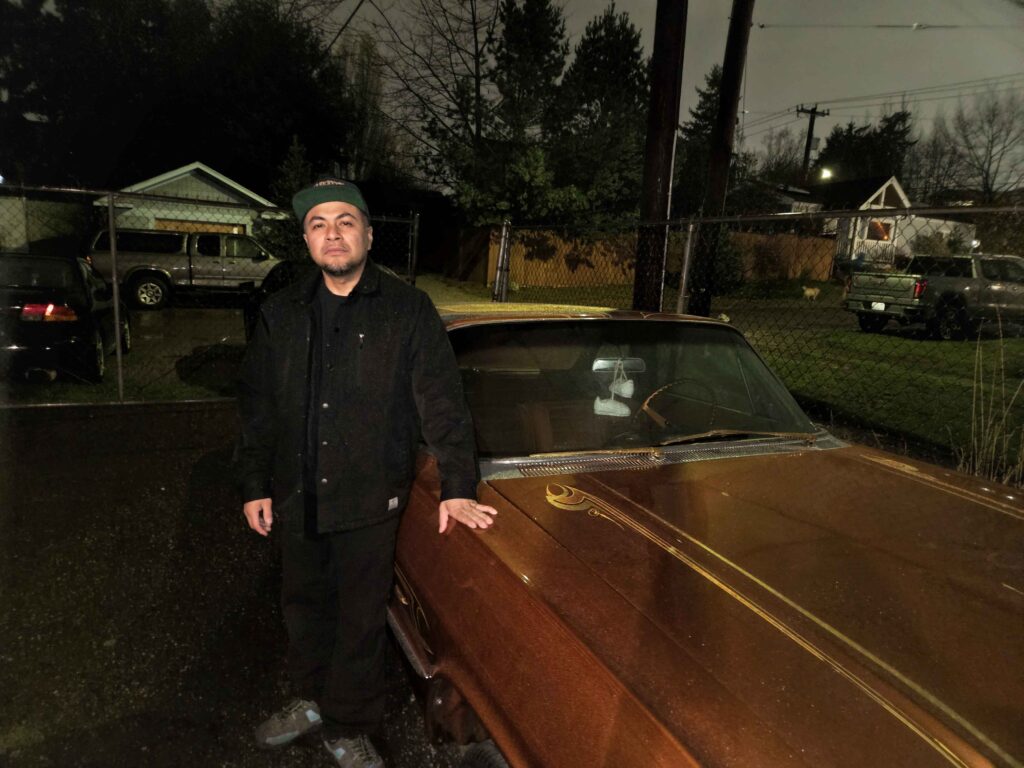
Lowrider culture in Washington forges bonds for enthusiasts with immigrant roots
Loud stereo music mixes with the sound of car engines in an out-of-the-way garage in Kent. In the corner of […]
Loud stereo music mixes with the sound of car engines in an out-of-the-way garage in Kent. In the corner of […]
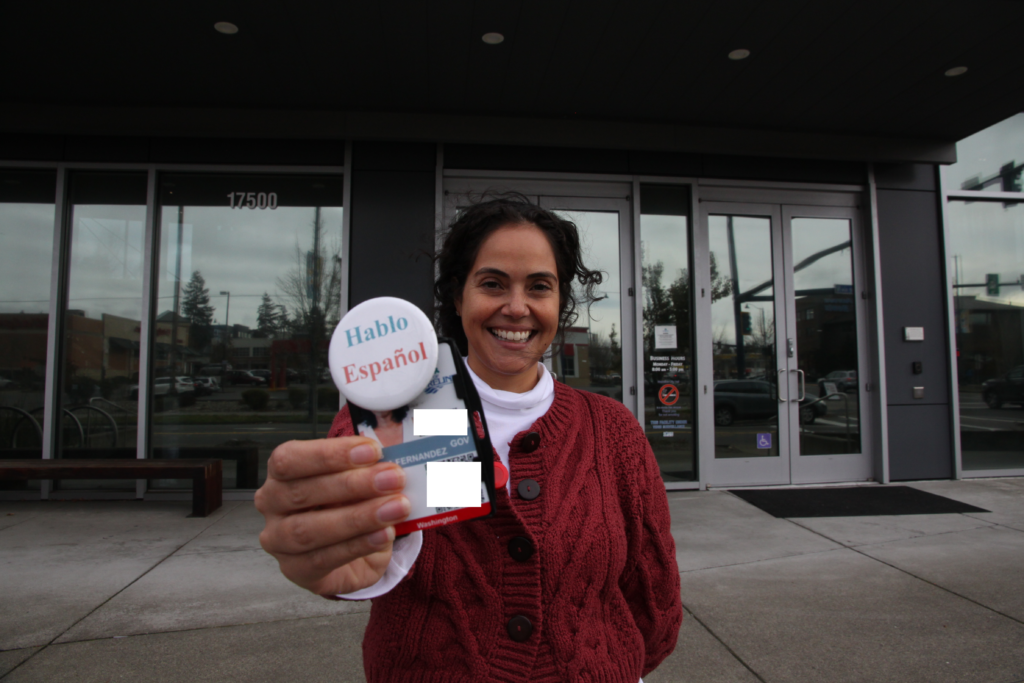
Community healthcare leaders come together to discuss the current state of mental health in Latino communities in the current tense political climate.
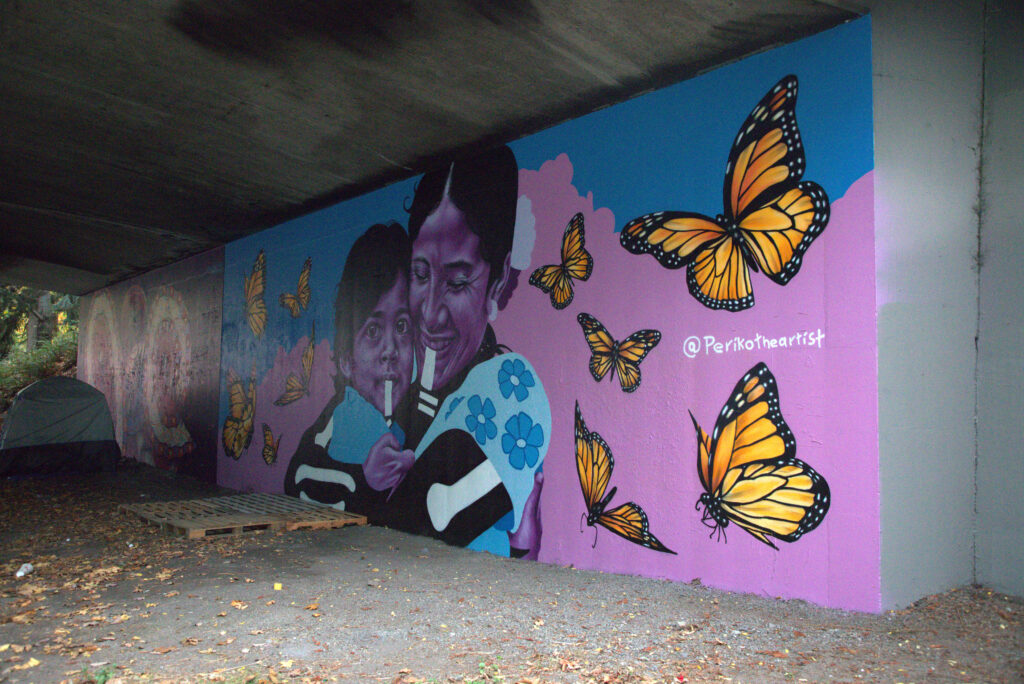
Each mural reflects the artists’ own stories. Rene Julio’s “The Knot of Freedom” explores the fear and pressure he felt during his years as an undocumented migrant. A few walls down, Gerardo Peña’s “El Abrazo” centers on a mother and daughter’s embrace, inspired by his return to Mexico after nearly three decades away. Visitors now stop, scan QR codes, and follow the murals on social media, turning the corridor into a space where personal history and public art meet.
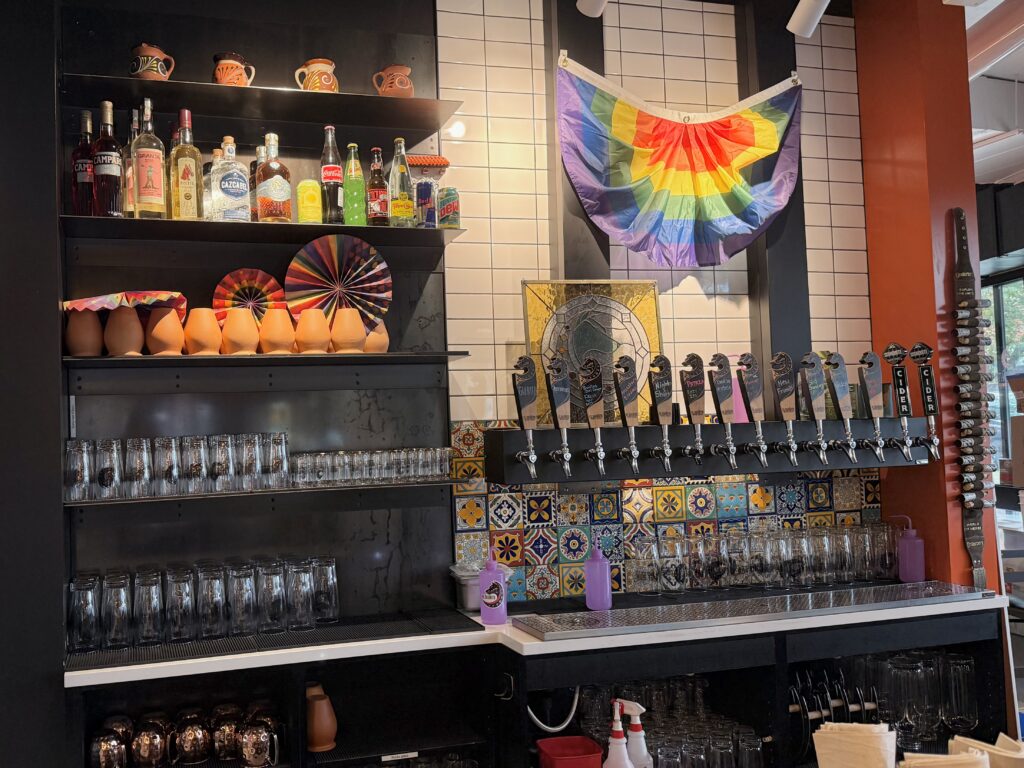
Frelard Tamales and El Sueñito Brewing began as a small tamale stand and a dream shared by husbands Osbaldo Hernández and Dennis Ramey. Today, their tamalería and brewery have become community hubs for queer, femme, and BIPOC folks in Seattle. Through family recipes, new beers crafted each month, and a steady commitment to supporting staff and neighbors, they’ve built a space where people can gather, eat well, and feel seen.
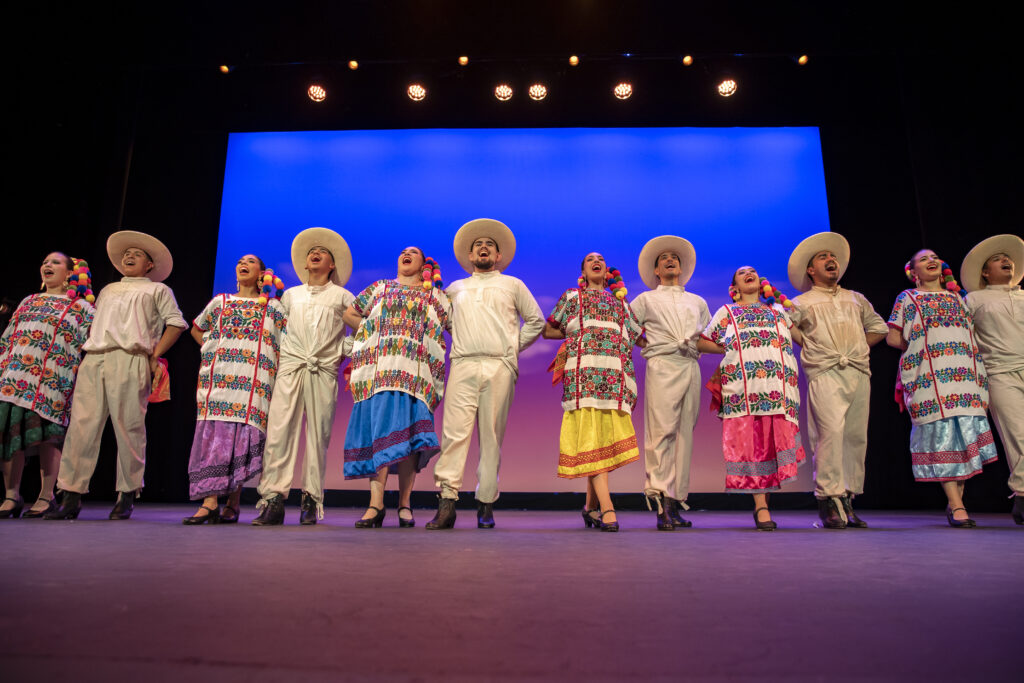
For more than 50 years, Los Bailadores de Bronce has brought the colors, rhythms, and spirit of Mexican folklórico dance to audiences across the Pacific Northwest. Founded by University of Washington students in 1972, the company remains a vibrant volunteer-driven organization that continues to inspire both Latino and non-Latino communities.

Founded in 2012 by Seattle native Toyia T. Taylor, Speak With Purpose is the only public speaking program fully integrated into classrooms throughout King County.
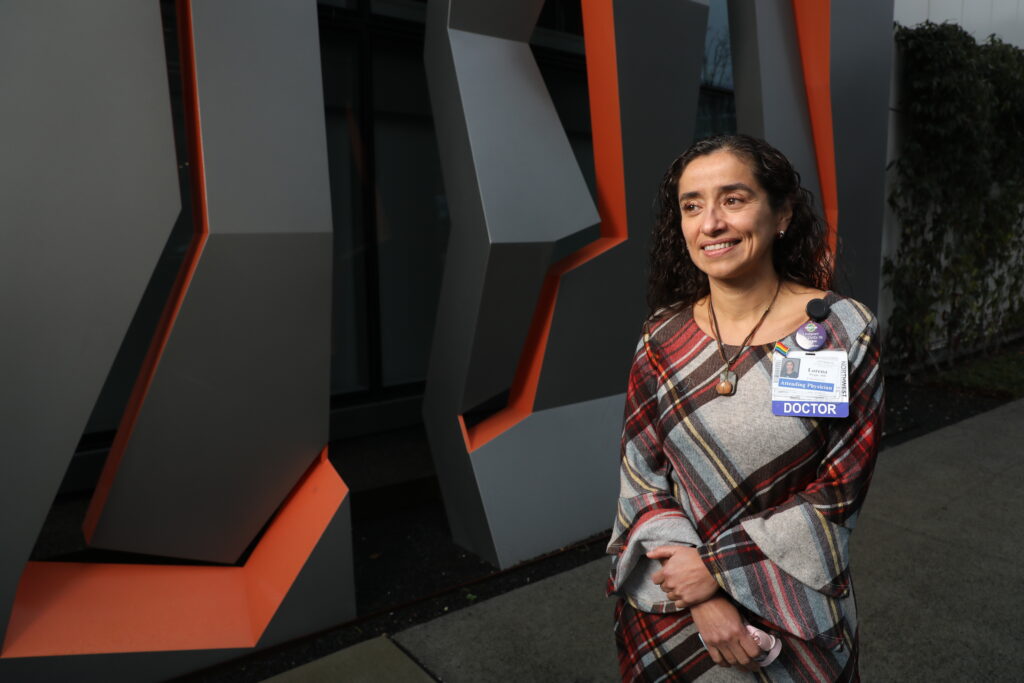
The LatinX Diabetes Clinic offers linguistically and culturally accessible care for Latinos with
diabetes.

NWIRP receives approximately 1,500 inquiries for services per week and serves more than 10,000 low-income immigrants per year.

A student organization at the University of Washington is providing a safe space for students to discuss the mental health challenges Latinas face.

Victor Sanchez Hernandez shows up as a leader all while honoring the sacrifices his Mexican immigrant parents made.

While some believe identity-based student groups strengthen community ties, others think these diversity efforts are harmful.

“We’re meant to be here,” said one of the viola players.